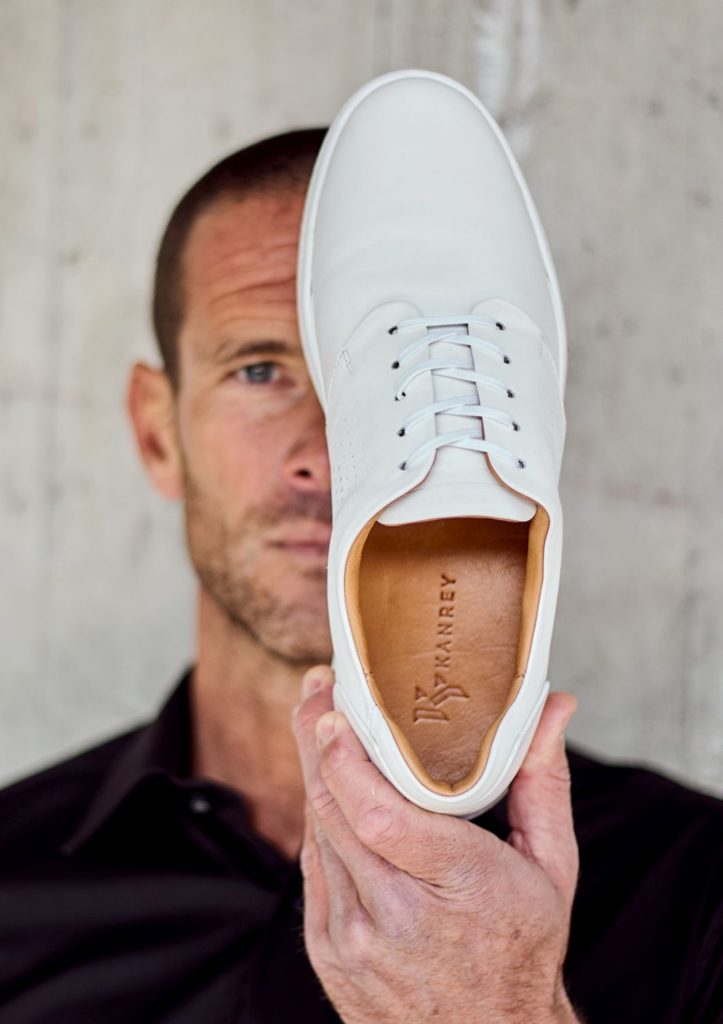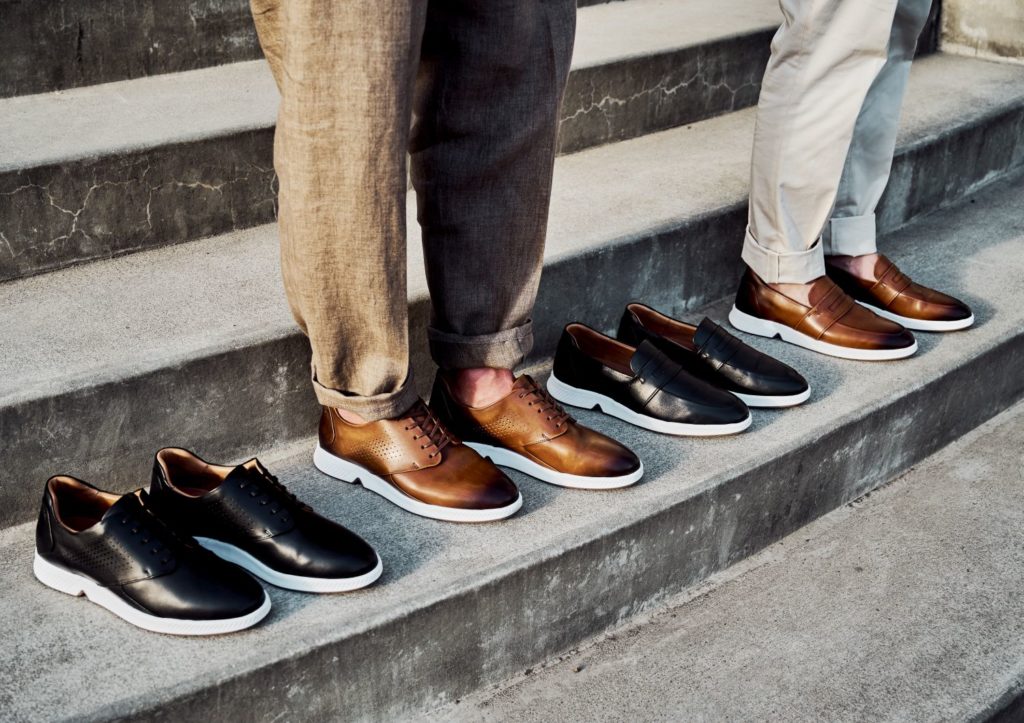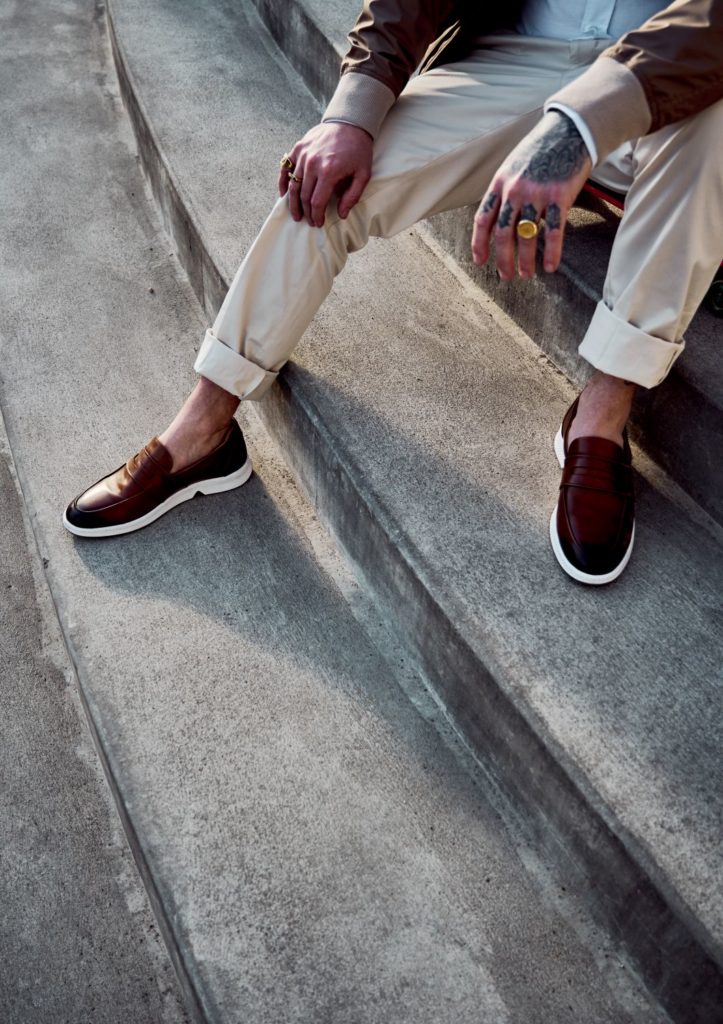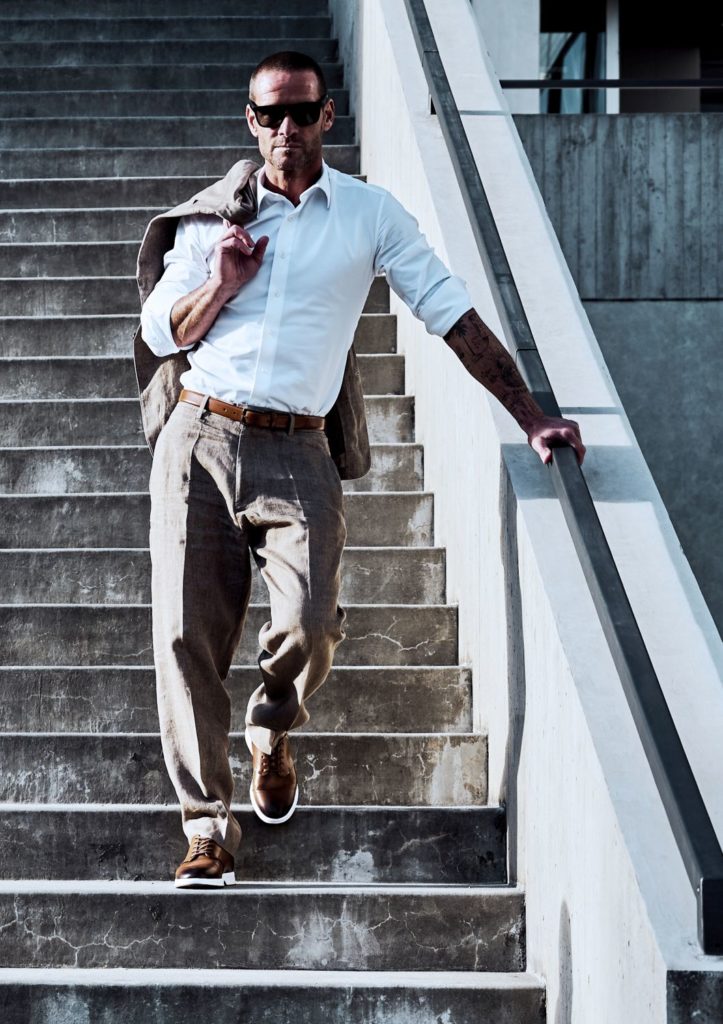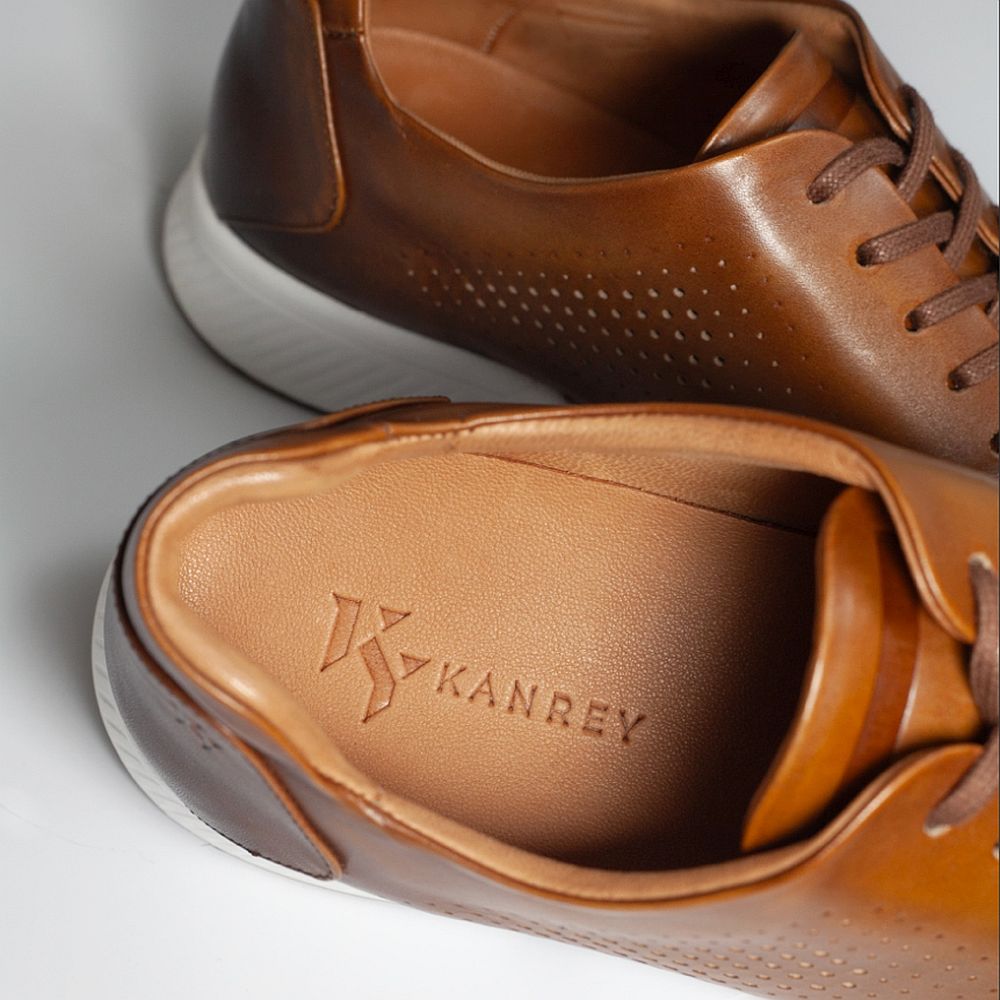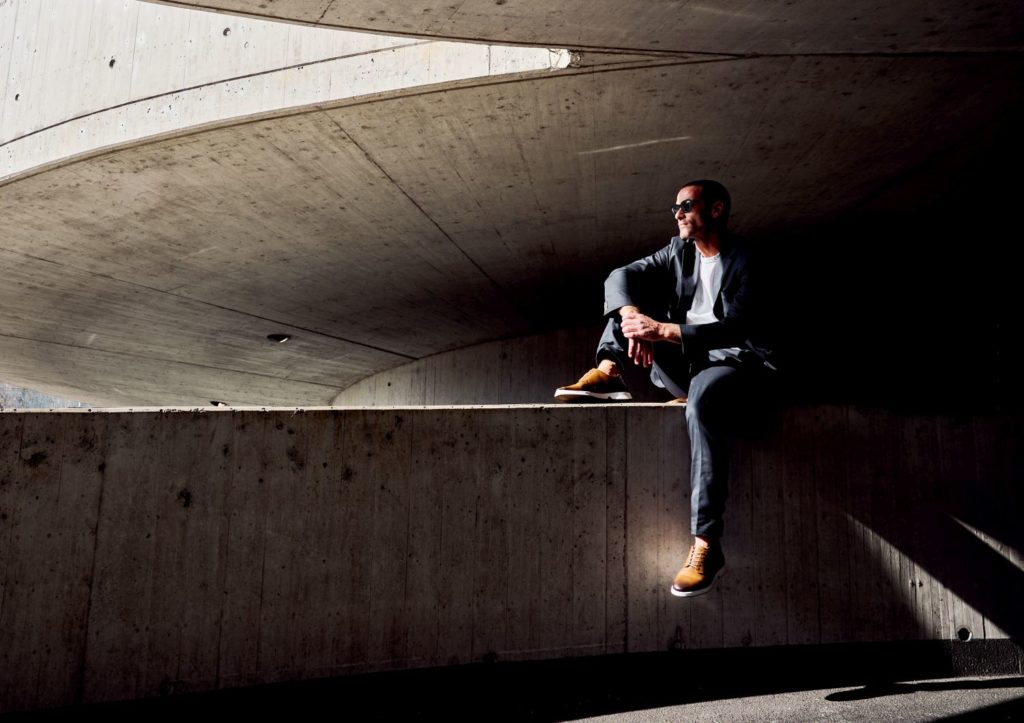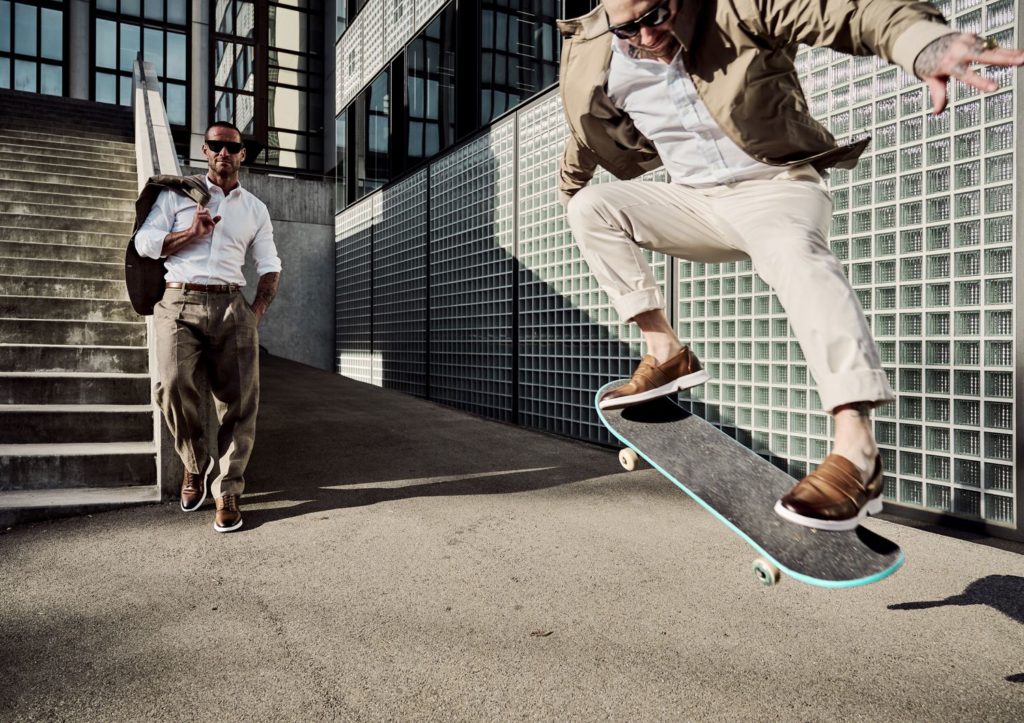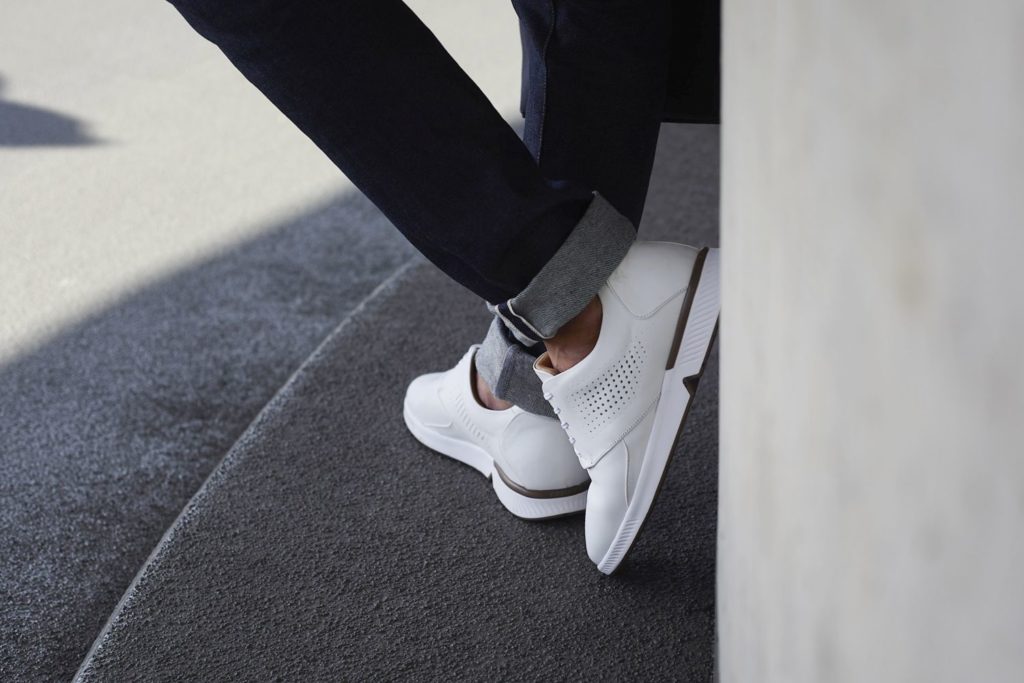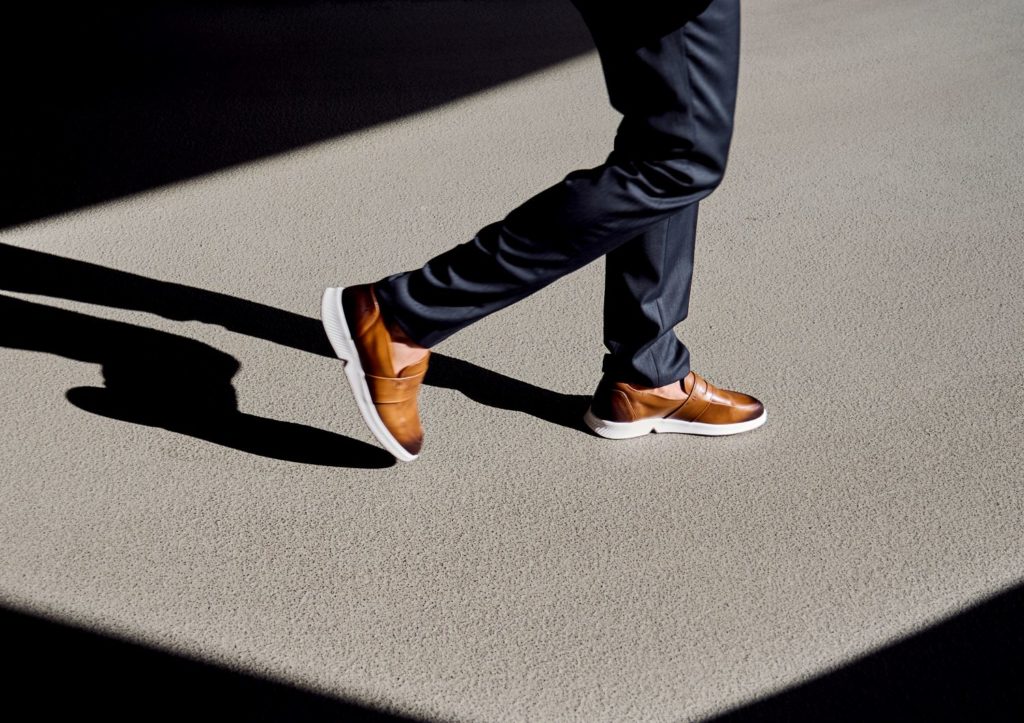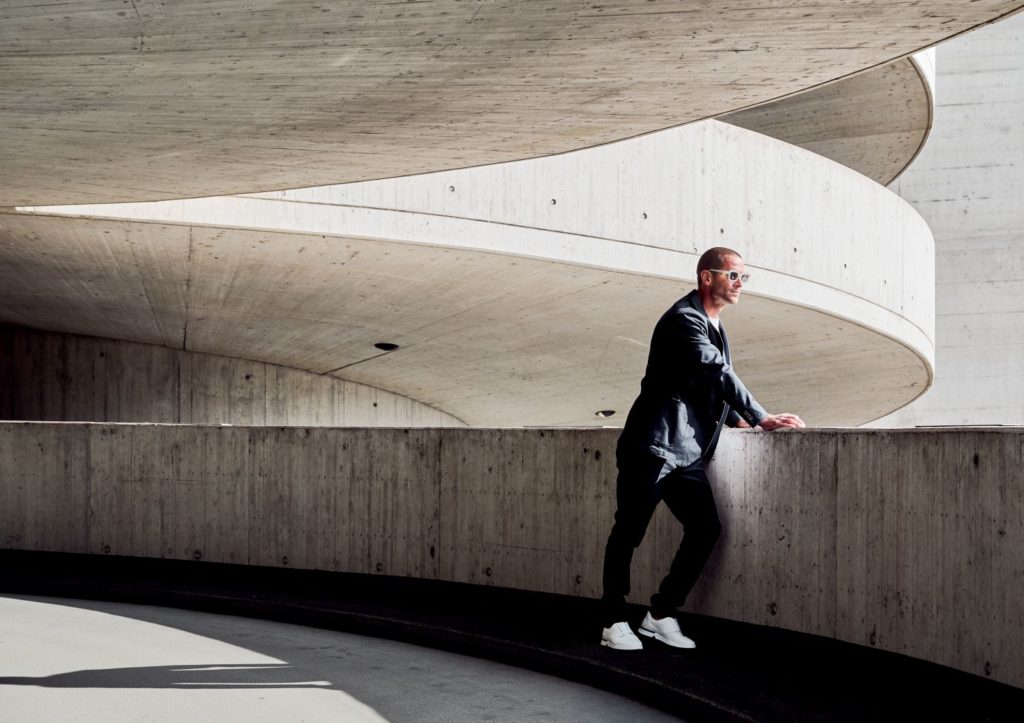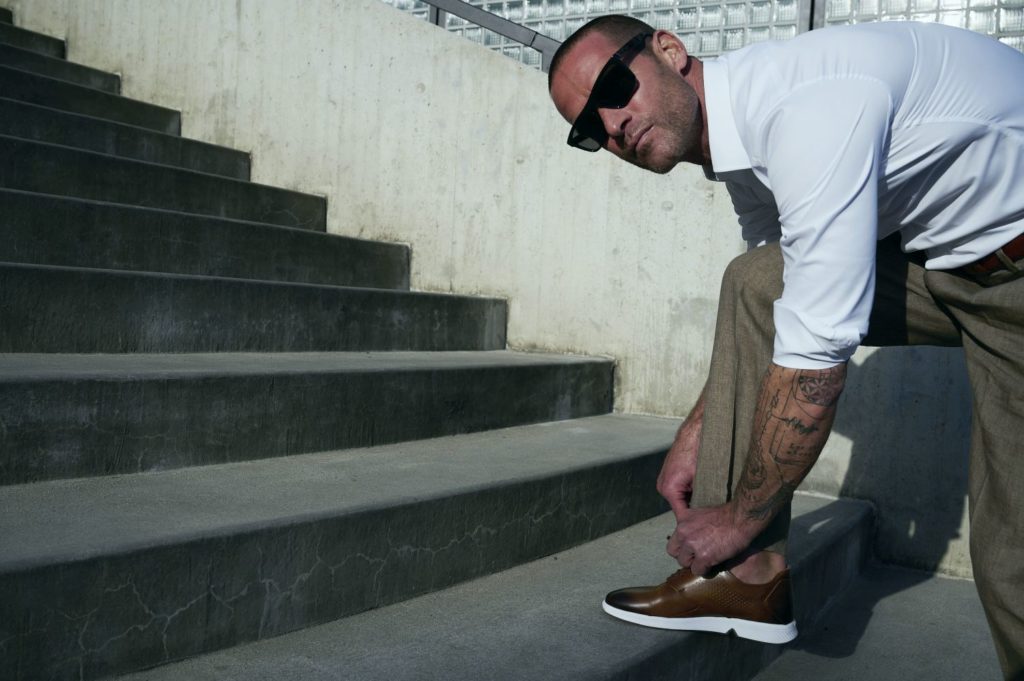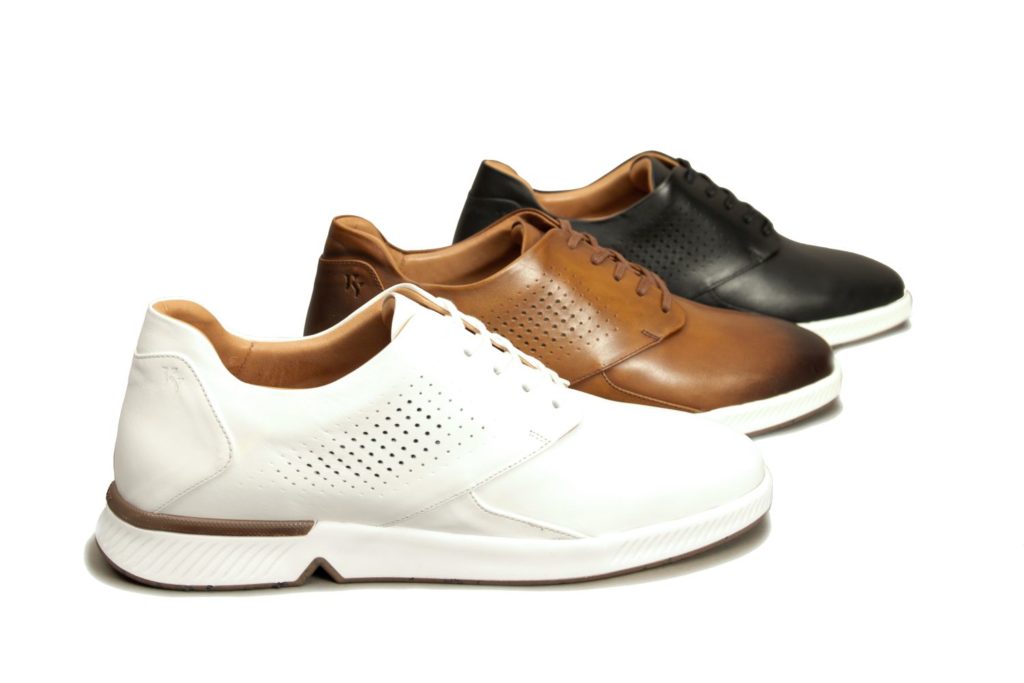
With KANREY, Kuno Andrey (left) and Kevin Fries shape a new take on elegance.
“WE WANTED TO MOVE BEYOND THE CLASSIC BUSINESS SHOE”
KANREY | 10.02.2026
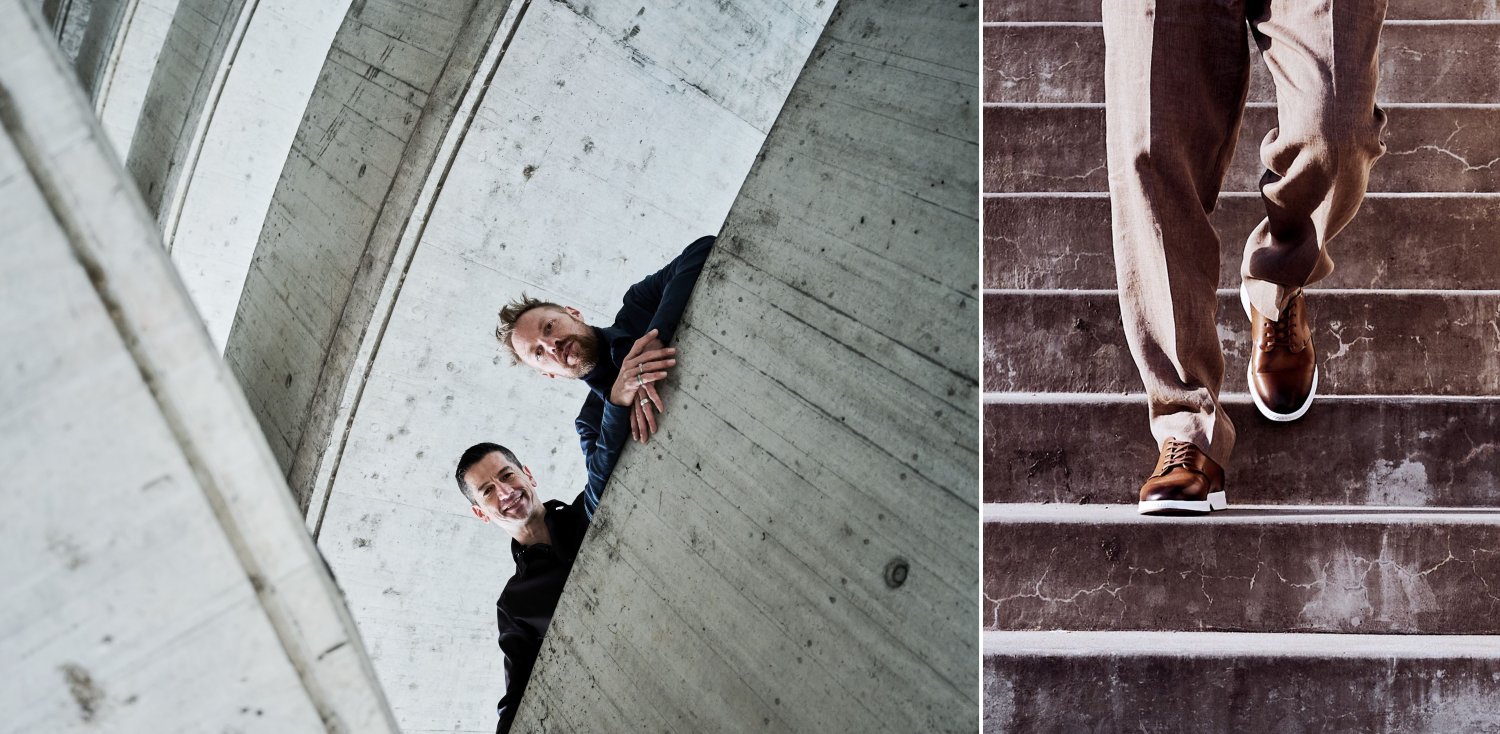
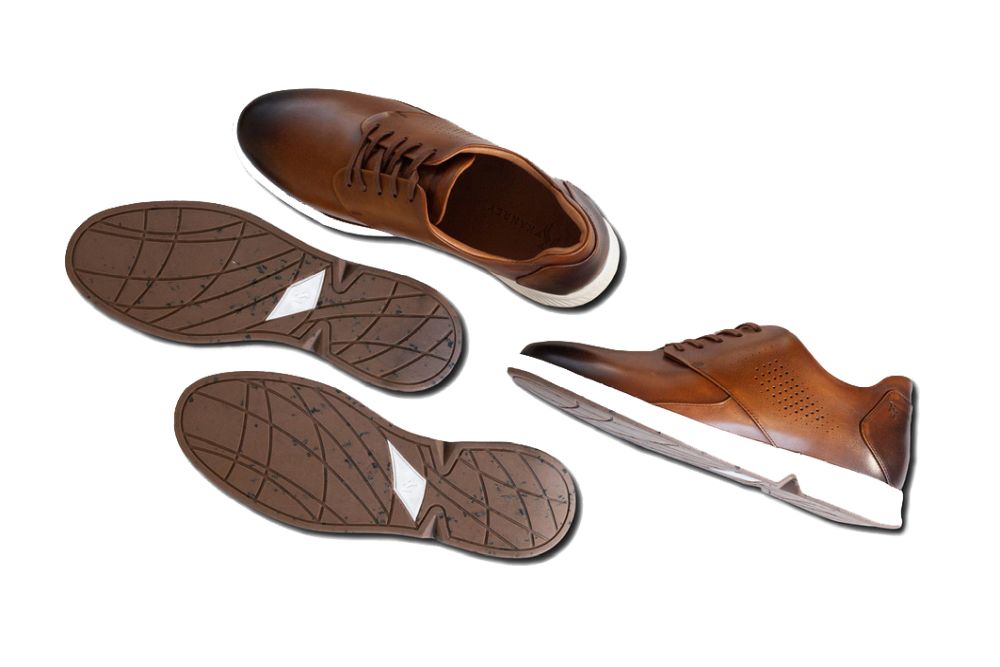
They are both 47, wear a size 42, and share the same high standards when it comes to men’s footwear. With KANREY, Kuno Andrey—a Fribourg native who has worked at Nike and Adidas—and the Zurich-based, award-winning designer Kevin Fries set out to create a hybrid shoe, combining formal elegance with the comfort of a sneaker. A replaceable outsole, fully integrated recycling, strong roots in the Fribourg ecosystem and European production: KANREY stands for a durable and innovative vision of premium footwear. In this interview, Kuno Andrey looks back on the origins of the brand, its technological choices and its deliberate positioning in the high-end segment—developed in Fribourg, with a clearly international ambition.
KANREY started from a personal need. When did it become an entrepreneurial project?
I worked in the world of footwear for a long time: I trained at Universal Sport, then worked at Adidas during my studies, and later at Nike after graduating. I was used to sneakers—and therefore to comfort. When I began looking for more formal shoes, especially for work, I was struck by the lack of real alternatives: there was very little meaningful difference between a CHF 50 pair and a CHF 500 pair, and comfort was often disappointing. In the end, why not try to solve the problem ourselves?
You then teamed up with Kevin Fries. How did that meeting shape the project?
I had a business background, but we needed real creative strength. I immediately thought of Kevin, with whom I had already worked at Coca-Cola on event projects. He has received several international awards and works across many fields, from furniture and lighting to fashion. He embraced the idea very quickly and began sketching—more than 1,000 sketches in total. The objective was clear: to move beyond the classic business shoe while preserving genuine elegance.
When did the idea of a hybrid shoe take shape?
The first step was to validate our intuition. In collaboration with the University of Fribourg, a student conducted an in-depth market study, which received the highest possible grade. This process confirmed the existence of real demand and helped structure our development choices. While we initially considered a modernized version of a traditional sole, the analysis led us toward a sneaker-type sole—particularly innovative and fully compatible with a premium positioning.
The replaceable outsole is a central feature of KANREY. What was the original intention?
It is not only a technical innovation—although it did require lengthy testing phases—but also a response to the throwaway mindset that is still widespread in the fashion industry and no longer makes sense. High-quality leather ages well, but the outer part of the sole, which comes into contact with the ground, wears down. We therefore developed a solution that allows only this outsole to be replaced. Each pair is delivered with a spare outsole that can easily be fitted by a cobbler, and additional replacements can be ordered separately.
You also addressed the issue of end-of-life recycling…
From the outset, we integrated this question into the product’s design. When a pair can no longer be worn, it can be returned and included in a recycling program developed with a partner in Portugal. The shoe is then ground down into a powder, which is used as a base material—among other things—for producing new outsoles. The entire process takes place locally, within a radius of around ten kilometers from the production site.
Why did you choose Portugal for production?
We explored many options—Italy, Spain and Switzerland. Ultimately, Portugal stood out for its longstanding expertise, particularly in sneakers, and for its ability to produce limited runs. Producing in Europe was important to us. After COVID, new opportunities emerged, and we found partners capable of working at this level of quality.
You worked with the Swissbiomechanics Institute on fit. Why was that essential?
Comfort is the true holy grail of footwear—and it comes down to just a few millimeters. Swissbiomechanics helped us work on the foot’s roll, the precision of the fit and the overall structure of the shoe. This combination of expertise—design, biomechanics and craftsmanship—was fundamental.
KANREY is rooted in Fribourg while targeting an international market. What role did the local ecosystem play?
As someone from the Sense district, it felt natural to establish the brand in Fribourg, where we quickly found strong partners: the University of Fribourg; the Fribourg School of Engineering and Architecture (HEIA-FR), more specifically the Institute of Applied Research in Plastics (iRAP); as well as Fri Up for coaching and business plan development, and Seed Capital for financing. Angéloz Mode was our first retail partner. Today, we are also present with retailers in Gstaad and Zurich, and likely soon in Lausanne, Geneva and Basel. Our online store also allows us to reach an international clientele.